
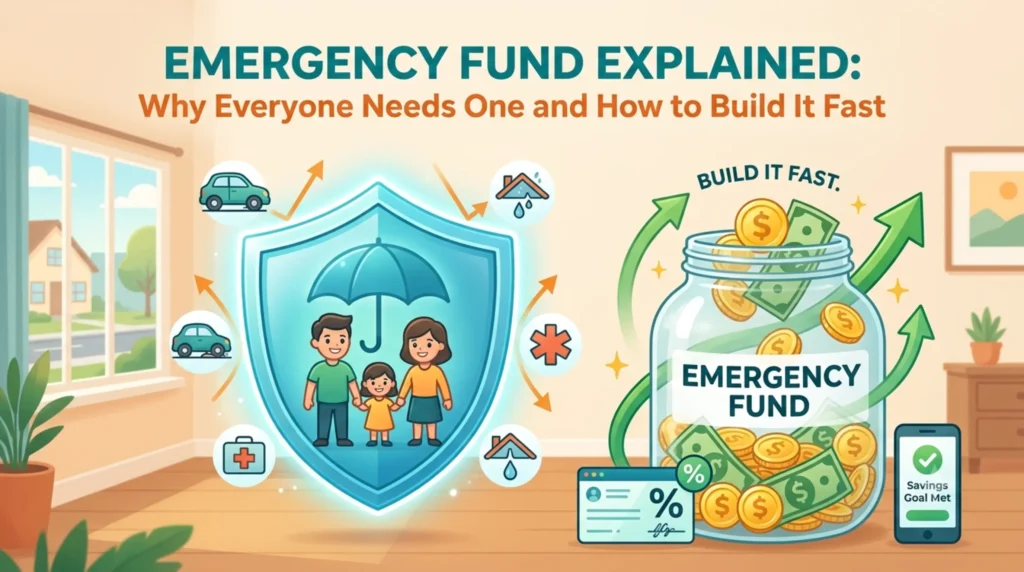
Life is full of surprises. While some surprises are exciting, others can create financial stress. Losing a job, facing unexpected medical expenses, repairing a car, or fixing a broken appliance can quickly affect your budget if you are not prepared. This is where an emergency fund becomes one of the most valuable financial tools you can have.
Many people focus on investing, buying property, or paying off debt, but they often overlook the importance of having money set aside for emergencies. Without savings, even a small unexpected expense can force you to rely on credit cards or loans, making your financial situation even more difficult.
An emergency fund provides peace of mind because it gives you access to cash when life does not go according to plan. Instead of worrying about how you will pay an unexpected bill, you already have money reserved for those situations.
This guide explains everything you need to know about emergency funds, including why they matter, how much you should save, where to keep the money, and practical strategies to build your savings faster.
What Is an Emergency Fund?
An emergency fund is money that you save specifically for unexpected expenses. It is not intended for vacations, shopping, birthdays, or planned purchases. Instead, it is reserved for genuine financial emergencies.
Examples of emergencies include:
- Losing your job
- Medical bills
- Emergency home repairs
- Major car repairs
- Unexpected travel for family emergencies
- Essential appliance replacement
- Sudden reduction in income
The purpose of an emergency fund is to protect your finances from unexpected events without forcing you into debt.
Why an Emergency Fund Is So Important
Many financial problems begin because people are not prepared for unexpected expenses.
An emergency fund helps you:
Reduce Financial Stress
Knowing that you have savings available can reduce anxiety during difficult situations. Instead of worrying about how to pay an emergency bill, you can focus on solving the problem itself.
Avoid High-Interest Debt
Without emergency savings, many people use credit cards or personal loans to cover unexpected expenses. High interest rates can make those emergencies much more expensive over time.
Protect Your Long-Term Investments
If you do not have emergency savings, you may have to sell investments during a market downturn. Having separate emergency savings allows your investments to continue growing.
Increase Financial Confidence
An emergency fund gives you confidence when making financial decisions. You know you have a safety net if something unexpected happens.
How Much Money Should You Save?
The ideal emergency fund depends on your personal financial situation.
Many financial professionals recommend saving enough money to cover three to six months of essential living expenses.
Your essential expenses may include:
- Housing
- Utilities
- Groceries
- Transportation
- Insurance
- Healthcare
- Loan payments
For example, if your monthly essential expenses are $2,500, your emergency fund goal might be between $7,500 and $15,000.
If that amount feels overwhelming, remember that every savings journey starts small.
Start With Small Goals
Do not wait until you can save thousands of dollars.
Instead, set smaller milestones such as:
- First $250
- First $500
- First $1,000
- One month of expenses
- Three months of expenses
- Six months of expenses
Reaching smaller goals keeps you motivated and makes the process less stressful.
Where Should You Keep Your Emergency Fund?
Your emergency savings should be easy to access but separate from your everyday spending account.
Good places include:
- High-yield savings accounts
- Money market accounts
- Bank savings accounts
Avoid keeping emergency savings in risky investments such as stocks or cryptocurrency because their value can change significantly when you need the money most.
Liquidity and safety are more important than high returns for emergency savings.
How to Build an Emergency Fund Quickly
Building savings may seem difficult, but consistent habits make a huge difference over time.
Create a Monthly Budget
A budget helps you identify unnecessary expenses that can be redirected toward savings.
Track your income and expenses carefully and decide how much you can save every month.
Automate Your Savings
Set up an automatic transfer from your checking account to your savings account every payday.
Automating the process removes the temptation to spend the money first.
Reduce Unnecessary Expenses
Look for areas where you can temporarily reduce spending.
Examples include:
- Eating out less often
- Cancelling unused subscriptions
- Buying generic brands
- Reducing entertainment expenses
- Limiting impulse shopping
Even small monthly savings add up quickly.
Save Windfalls
Unexpected income can boost your emergency fund much faster.
Examples include:
- Tax refunds
- Bonuses
- Freelance payments
- Cash gifts
- Cashback rewards
Instead of spending these amounts, deposit them directly into your emergency savings.
Earn Extra Income
A side hustle can accelerate your savings.
Ideas include:
- Freelancing
- Tutoring
- Selling handmade products
- Pet sitting
- Food delivery
- Graphic design
- Online writing
- Virtual assistance
Even a few extra hours each week can make a noticeable difference.
Mistakes to Avoid
Many people unintentionally slow down their progress by making common mistakes.
Using the Fund for Non-Emergencies
An emergency fund should only be used for true emergencies.
Avoid using it for:
- Vacations
- Shopping
- Holiday gifts
- Entertainment
- Luxury purchases
Keeping Too Much Cash at Home
While having a small amount of cash at home may be useful, storing your entire emergency fund there increases the risk of theft or loss.
Ignoring Inflation
Review your emergency fund every year. As living expenses increase, your savings target may also need to increase.
Waiting Until the Perfect Time
Many people delay saving because they believe they need a higher income first.
The best time to begin is today, even if you can only save a small amount.
Emergency Fund vs. Regular Savings
Although both involve saving money, they have different purposes.
Emergency Fund
- Covers unexpected financial emergencies
- Should remain untouched unless necessary
- Provides financial protection
Regular Savings
- Used for planned expenses
- Supports vacations, education, home improvements, or large purchases
- Can be spent according to your financial goals
Keeping these funds separate helps prevent confusion and unnecessary spending.
What Counts as a Financial Emergency?
Before using your emergency fund, ask yourself these questions:
- Is this expense unexpected?
- Is it necessary?
- Can it wait without causing serious problems?
- Do I have another reasonable way to pay for it?
If the answer supports an urgent need, using your emergency fund is appropriate.
Benefits Beyond Money
An emergency fund provides more than financial security.
It also offers:
- Better mental well-being
- Reduced stress
- Greater independence
- Improved financial discipline
- Increased confidence during uncertain times
Knowing you are prepared for unexpected situations makes everyday life less stressful.
Frequently Asked Questions
How much should I save first?
Many people begin with a goal of $500 or $1,000 before working toward several months of living expenses.
Should I invest my emergency fund?
No. Emergency savings should remain easily accessible and protected from market risk.
What if I need to use my emergency fund?
That is exactly why it exists. Use it when necessary, then begin rebuilding it as soon as your financial situation improves.
Can I build an emergency fund while paying off debt?
Yes. Many people save a small emergency fund first before focusing on paying down high-interest debt. This helps prevent new borrowing when unexpected expenses occur.
How long does it take to build an emergency fund?
The timeline depends on your income, expenses, and savings rate. Consistent monthly contributions are more important than trying to save large amounts all at once.
Final Thoughts
An emergency fund is one of the strongest foundations of personal finance. It protects you from unexpected financial setbacks, reduces stress, and helps you avoid expensive debt when life takes an unexpected turn.
Building an emergency fund does not require a high income or perfect financial circumstances. It requires consistency, discipline, and a commitment to saving regularly. Start with a small goal, automate your savings, reduce unnecessary spending, and celebrate each milestone along the way.
Over time, your emergency fund will provide something that money alone cannot buy—peace of mind. Knowing that you are financially prepared for life’s unexpected challenges allows you to focus on your goals with greater confidence and security. The sooner you start building your emergency fund, the stronger your financial future will become.
About the Author
